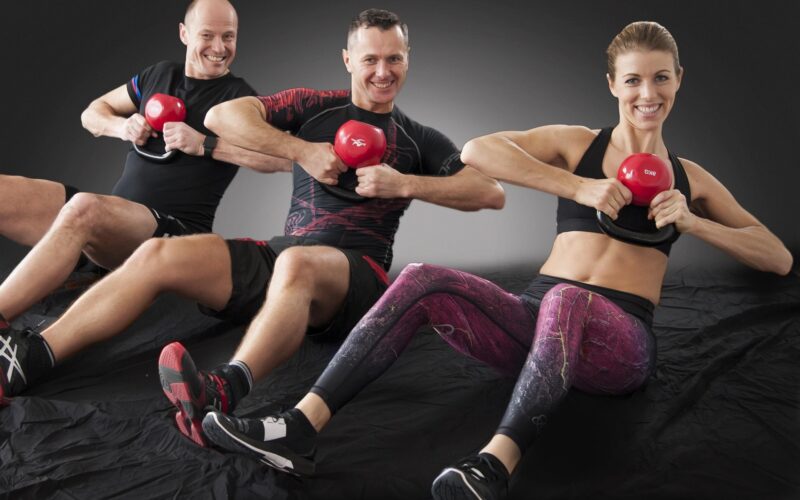
Strength Training for Couples
There is a unique energy that comes from training with a partner, especially when that partner is your significant other. It transcends the simple act of lifting weights; it becomes a shared pursuit of strength, resilience, and mutual encouragement. For couples looking to inject new vigour into their fitness routines, kettlebell training offers a dynamic and highly effective solution. Unlike traditional gym machines that isolate muscles, kettlebells demand full-body coordination and stability, making them perfect for functional strength. When you add a partner to the mix, you not only have a spotter but a motivator who understands your goals intimately.
Why kettlebells work for couples
Kettlebells are incredibly versatile tools that require very little space, making them ideal for home workouts where two people might be sharing a living room or a small garage gym. Their offset centre of gravity forces your stabiliser muscles to work harder, providing a more comprehensive workout than standard dumbbells. For couples, this means you can perform mirror drills or synchronised sets without needing two full racks of equipment. You can easily swap a single kettlebell back and forth for certain exercises, or if you have two, you can challenge each other to match tempos and reps. This synchronicity builds a non-verbal communication rhythm that can be surprisingly bonding.
Essential safety first
Before swinging any iron, it is crucial to establish ground rules for safety, particularly when training in close proximity. Kettlebell movements are often ballistic—meaning they involve momentum and speed. Ensure you have enough clearance around you so that a wayward swing doesn't result in injury. When training as a pair, staggering your positions is often safer than standing directly side-by-side or facing each other within striking distance. Furthermore, beginners should prioritise form over heavy weight. Correct technique is paramount; a partner can be invaluable here, acting as a second set of eyes to check spinal alignment and ensure hips are hinging correctly rather than squatting during swings.
The synchronised swing
The kettlebell swing is the foundational movement of this discipline. To perform this as a couple, stand side-by-side with enough room so your bells don't clash. Synchronising your breathing and hip snap creates a powerful rhythm. The swing targets the posterior chain—the hamstrings, glutes, and lower back—areas often weakened by sedentary jobs. By matching your partner's pace, you are forced to maintain a consistent intensity. If one person begins to lag, the visual cue of the other’s rhythm acts as a natural pacer. It turns a solitary grind into a shared athletic endeavour where you are both driving towards the finish line of the set together.
Partner passing drills
Once you have mastered the basics, you can introduce partner passing drills, although these require caution and practice. A simple exercise involves standing back-to-back and passing the kettlebell around your bodies in a figure-of-eight motion. This rotational movement engages the core and obliques intensely. It requires trust and clear communication to ensure the hand-off is secure every time. Another variation is the 'I go, you go' format. One partner performs a set of goblet squats while the other holds a plank or rests. This ensures that the intensity remains high and rest periods are strictly controlled by the partner's work rate, adding a competitive yet supportive edge to the session.
Cooling down and connecting
Finishing a session is just as important as the workout itself. Use your cool-down time to stretch and debrief. Partner assisted stretches can help deepen the range of motion in tight hamstrings or shoulders that have just worked hard. Discussing what went well, which weights felt too light or too heavy, and setting goals for the next session keeps the momentum going. This shared debrief cements the workout as a joint accomplishment. Strength training with kettlebells is challenging, but facing that challenge together builds a different kind of strength—one that reinforces the bond between you while you build stronger bodies.